

Layer 2 Scaling Solutions: Enhancing Blockchain Efficiency

CyberScope
Feb 28, 2025
Layer 2 (L2) solutions are designed to improve the efficiency of Layer 1 (L1) blockchains like Ethereum and Bitcoin by reducing congestion and lowering transaction costs. By processing transactions off the main blockchain, L2 solutions decrease the load on L1, optimizing both speed and cost.
For example, state channels allow multiple transactions to happen off-chain before a final settlement is recorded on the main chain. Similarly, solutions like Plasma and rollups aggregate transactions and submit them as a single batch to the L1 blockchain. This way, Layer 2 solutions enhance scalability and efficiency, helping prevent congestion and high fees on Layer 1 networks.
Why Scalability is Crucial for DeFi
Scalability is vital for DeFi, as seen with Uniswap, a popular trading platform that initially ran solely on Ethereum. When DeFi surged in popularity, Uniswap faced a massive influx of users that overwhelmed Ethereum’s capacity, leading to congestion, soaring gas fees, and slowed transaction times, which harmed the user experience.
To improve this, Uniswap integrated with Layer 2 networks like Optimism, Arbitrum, and Base, which use optimistic rollups to process transactions off-chain and batch them for submission to Ethereum. This approach enhances efficiency, reduces costs, and creates a more user-friendly experience, allowing DeFi applications to better handle increased activity and support broader adoption and innovation.
Layer 1 vs. Layer 2 Solutions
While Layer 1 and 2 are integral components of the blockchain ecosystem, they serve distinct roles.
Layer 1 (Base Layer):
- Immutable & Secure: The foundational layer offers unparalleled security. Once data is entered, altering it is nearly impossible, ensuring data integrity.
- Decentralization: One of the main draws of Layer 1 is its decentralized nature, eliminating the need for intermediaries or central authorities.
- Limitations: Despite its advantages, Layer 1's speed and scalability are hindered by its consensus mechanisms and increasing user base.
Layer 2 (Secondary Layer):
- Scalability Focus: Built specifically to address the limitations of Layer 1, Layer 2 solutions prioritize transaction speed and volume handling..
- Adaptable Infrastructure: Layer 2 solutions can be modified to address emerging challenges or to integrate new technological advancements.
- Balancing Act: While they enhance speed and reduce costs, ensuring they do not compromise the security and trustworthiness of the underlying Layer 1 is essential.
Key Layer 2 Solutions
State Channels
State channels enable users to conduct numerous transactions off-chain and only record the final result on the main blockchain when the channel closes. This approach minimizes the number of on-chain transactions, resulting in lower fees and faster processing. Notable examples include Bitcoin’s Lightning Network and Ethereum’s Raiden Network.
Plasma
Plasma introduces a framework to create secondary chains called “Plasma chains” that work alongside the main blockchain. These chains handle most transactions independently but submit periodic summaries to the main chain for security verification. Plasma improves throughput by diverting transactions away from the main chain.
Rollups
Rollups combine multiple transactions into a single batch and submit it to the main chain. They come in two types:
- Optimistic Rollups assume transactions are valid by default and only compute results when a fraud-proof is submitted.
- ZK-Rollups verify transactions off-chain using zero-knowledge proofs, submitting a concise proof to the main chain.
Sidechains
Sidechains are independent blockchain networks that run parallel to the main blockchain and connect through a two-way peg, allowing for asset transfers. Sidechains handle transactions autonomously but periodically synchronize with the main chain. The Polygon Network is a well-known example.
Rollups vs. Sidechains
Both rollups and sidechains are key L2 solutions, but they differ in architecture and how they enhance blockchain scalability:
- Rollups: Rollups batch transactions on Layer 2, submitting only the final state to the main blockchain. This method reduces fees and boosts transaction speed on L1. Rollups depend on the main blockchain for finality and dispute resolution, introducing slight centralization.
- Sidechains: Sidechains operate independently as separate blockchains with their own validators and consensus. They sync periodically with the main blockchain, which alleviates congestion while increasing throughput. Unlike rollups, sidechains have minimal reliance on L1 for transaction processing.
In summary, both approaches improve scalability but in distinct ways—rollups by bundling transactions before submission to the main chain and sidechains by running parallel to it. The choice between them depends on factors like security needs, decentralization goals, and transaction volume.
Advantages of Layer 2 Solutions
- Improved Scalability: Layer 2 solutions can dramatically increase transaction throughput compared to Layer 1. For instance, while Bitcoin processes about 7 transactions per second (TPS), the Lightning Network can handle millions.
- Reduced Costs: By offloading transactions from the main chain, Layer 2 solutions reduce transaction fees, making them ideal for cost-sensitive use cases like micropayments.
- Faster Speeds: Transactions on L2 networks are nearly instantaneous, contrasting with slower Layer 1 confirmations. This is critical for applications like gaming and real-time payments.
- Enhanced User Experience: The combination of lower fees and faster speeds makes blockchain applications more accessible and practical for everyday use.
Tools and Resources for Leveraging Layer 2 Solutions
- Metamask: A widely-used Ethereum wallet that seamlessly integrates with numerous Layer 2 solutions.
- zkSync Wallet: Specifically designed for the zkSync Layer 2 protocol.
- Optimism Gateway: A user-friendly interface for interacting with the Optimistic Ethereum Layer 2 solution.
- Polygon Web Wallet: A wallet for managing assets on the Polygon network, formerly known as Matic.
- StarkWare Tools: A comprehensive suite of tools for integrating and working with StarkWare’s Layer 2 scaling solutions.
- Arbitrum Bridge: A bridge for transferring assets between Ethereum and the Arbitrum network.
The Future of Layer 2 Solutions
The momentum for Layer 2 solutions continues to grow as blockchain technology evolves. The ongoing demand for improved scalability, speed, and cost-effectiveness drives innovation in this space. Looking ahead, Layer 2 is expected to achieve deeper integration with mainstream applications, creating a seamless interaction between traditional systems and decentralized platforms. With the increasing prominence of Web3, decentralized finance (DeFi), and non-fungible tokens (NFTs), Layer 2 solutions are poised to be instrumental in supporting mass adoption, enabling blockchains to accommodate a surge of users without sacrificing performance.

Conclusion
Layer 2 solutions are vital for the future of blockchain technology, addressing some of the most pressing challenges faced by Layer 1 networks, such as congestion, high transaction costs, and slower processing speeds. By enabling off-chain transaction processing, Layer 2 not only enhances scalability but also improves user experience, making blockchain applications more viable for everyday use. As the demand for decentralized applications, DeFi, and NFTs continues to rise, the role of Layer 2 solutions will become increasingly significant in facilitating the mass adoption of blockchain technology.
In the coming years, we can expect further innovations and integrations of Layer 2 solutions with mainstream platforms, ultimately leading to a more interconnected digital ecosystem. Businesses and developers that embrace these technologies will be better positioned to leverage the full potential of blockchain, ensuring efficiency, cost-effectiveness, and speed while maintaining the security and decentralization that the blockchain community values. As we move forward, Layer 2 solutions will be at the forefront of transforming how we interact with digital assets, paving the way for a more scalable and accessible future in blockchain technology.
Recent Posts
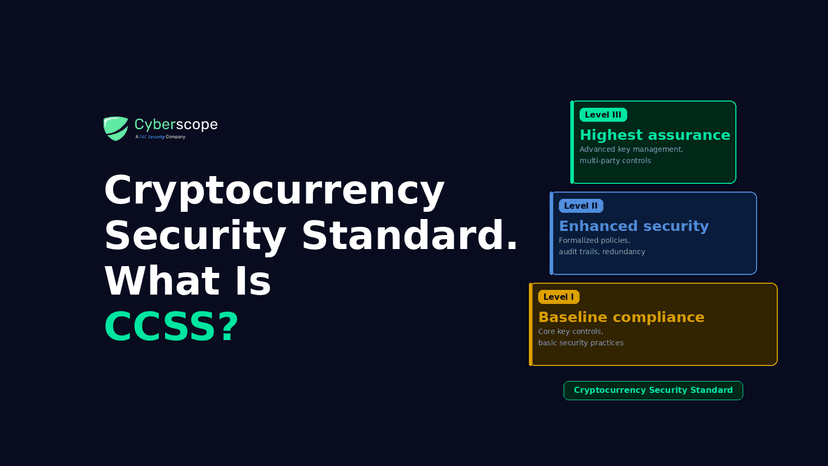
Cryptocurrency Security Standard: What Is CCSS?
2 months ago
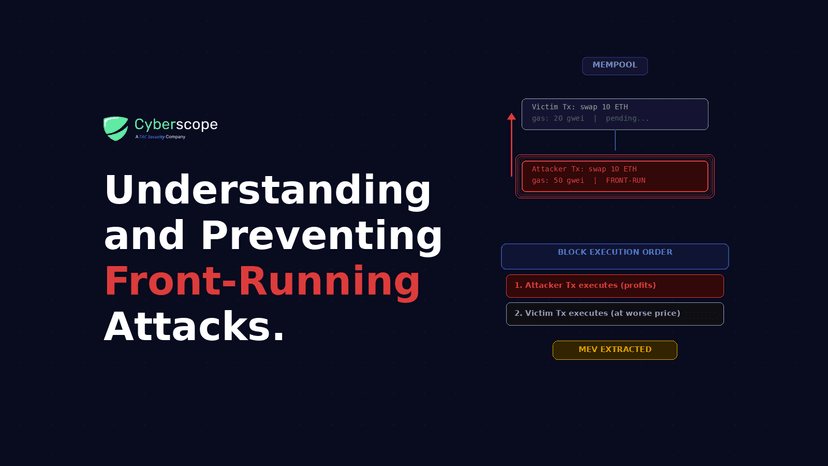
Blockchain and Web3 Incident Response
2 months ago