
The Evolution of NFTs: Beyond Digital Art and Collectibles

CyberScope
Jul 13, 2025
What Are NFTs?
NFTs, or Non-Fungible Tokens, are unique digital assets that represent ownership or proof of authenticity of a specific item, typically using blockchain technology. Unlike cryptocurrencies like Bitcoin, which are fungible and can be exchanged on a one-to-one basis, each NFT is distinct and cannot be directly replaced by another token.
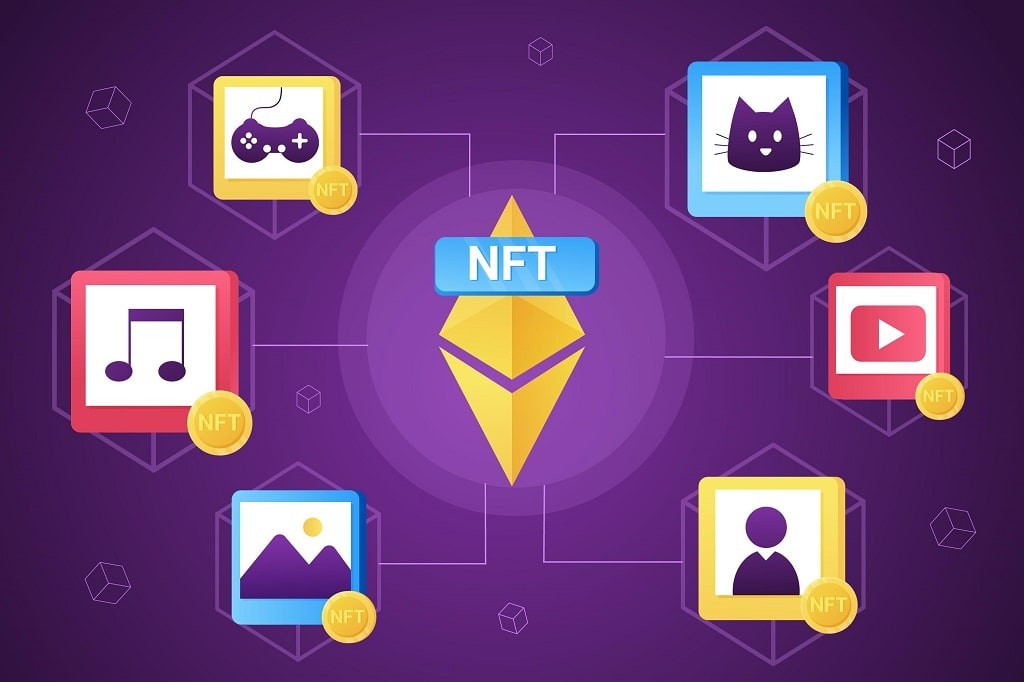
NFTs can represent a wide range of digital items, such as:
- Art: Digital artwork and collectibles.
- Music: Songs or albums with proof of ownership.
- Videos: Unique video clips or highlights.
- Virtual Real Estate: Land or property in virtual worlds.
- Gaming Items: In-game assets that are unique and owned by players.
When you buy an NFT, you’re essentially buying a digital certificate that proves you own a unique item, which is stored on the blockchain.
The Technology Behind NFTs
NFTs are built on blockchain technology, which is the backbone of cryptocurrencies like Bitcoin and Ethereum. Here's a breakdown of the technology behind NFTs:
1. Blockchain
- Decentralized Ledger: A blockchain is a decentralized digital ledger that records transactions across a network of computers. Each block in the chain contains a list of transactions, and once a block is added, it cannot be altered, ensuring transparency and security.
- Smart Contracts: NFTs rely on smart contracts, which are self-executing contracts with the terms directly written into code. Smart contracts on blockchains like Ethereum enable the creation, ownership, and transfer of NFTs without the need for intermediaries.
2. Tokens
- ERC-721 Standard: Most NFTs are created using the ERC-721 standard on the Ethereum blockchain. This standard defines a set of rules that allow developers to create tokens that are unique and non-fungible.
3. Metadata
- Descriptive Information: NFTs have associated metadata that describes what the token represents. This can include a link to a digital artwork, information about the creator, ownership history, and other attributes. The metadata is often stored off-chain due to storage limitations on the blockchain.
4. Interoperability
- Cross-Platform Functionality: NFTs can be used across different platforms and applications because they are built on standard protocols like ERC-721. This means an NFT created in one game or virtual world can be traded or used in another, provided both platforms support the same standard.
5. Security
- Immutable Ownership: The ownership and transaction history of an NFT are securely stored on the blockchain, making it difficult to forge or alter. This ensures the authenticity and uniqueness of the asset.
6. Marketplaces
- Trading and Selling: NFTs can be bought, sold, and traded on various online marketplaces, such as OpenSea, Rarible, and Foundation. These platforms use blockchain technology to facilitate transactions and verify ownership.
In summary, NFTs are powered by blockchain technology, utilizing smart contracts, token standards, and metadata to create unique digital assets with verifiable ownership.
Quick link: 10 Crypto Influencers You Should Be Following
The Buzz Around Digital Collectibles
1. Unique Ownership
NFTs offer verifiable proof of ownership and rarity, making digital collectibles highly desirable. Unlike physical items, their authenticity and uniqueness are easily proven on the blockchain, driving demand for rare and exclusive digital assets.
2. Creativity and Innovation
NFTs provide creators with a new medium to express and monetize their work. Artists, musicians, and developers are pushing the boundaries of creativity, creating dynamic and interactive pieces that wouldn't be possible in the physical world.
3. Investment Potential
The potential for high financial returns has attracted investors to NFTs, with some digital collectibles selling for millions. This new asset class offers an opportunity to diversify portfolios, especially for those already familiar with the crypto space.
4. Community and Social Status
NFTs often come with membership in exclusive online communities, enhancing social status for owners. Collectors use NFTs as digital identity markers, showcasing their involvement in specific groups or their ownership of rare items.
5. Celebrity and Brand Endorsements
Celebrities and brands have significantly amplified the NFT buzz by releasing their own digital collectibles. These endorsements have brought mainstream attention to NFTs, driving both demand and prices for these unique digital assets.
6. Cultural Shift
As society embraces digital ownership, NFTs resonate with those who value online culture and digital history. The growing importance of virtual worlds and the metaverse has also fueled interest in owning digital assets that can be displayed or used in these spaces.
7. Environmental and Ethical Concerns
The environmental impact of NFTs, particularly the energy use of blockchains like Ethereum, has sparked debate. However, the industry is moving towards more sustainable solutions, such as Ethereum 2.0, to address these concerns.
8. Speculation and FOMO
The fear of missing out (FOMO) has driven a frenzy in the NFT market, with many rushing to buy digital collectibles before their value potentially skyrockets. This speculation has been a major factor in the explosive growth of the NFT space.
NFTs for Gaming
In-Game Assets: NFTs are redefining in-game ownership by allowing players true ownership of assets and enabling real trading across platforms. Unlike traditional games, where assets are restricted to the game’s ecosystem, NFTs allow items like characters or land in games like Axie Infinity and Decentraland to be traded or sold for real value, enhancing both gaming experiences and creating new revenue streams for players and developers.
Play-to-Earn Models: NFTs are central to play-to-earn (P2E) models, where players earn NFTs or cryptocurrencies by participating in games. This model transforms gaming into a financially rewarding experience, particularly in emerging markets. For example, during the pandemic, some players in the Philippines earned a living by collecting and trading NFTs in Axie Infinity, highlighting the economic potential of P2E.
Real Estate and Virtual Land
Tokenized Real Estate: NFTs are revolutionizing real estate by allowing for the tokenization of physical properties, making it easier and more accessible to invest in real estate. Through platforms like RealT, investors can purchase fractional ownership of properties, democratizing real estate investment and enabling portfolio diversification with smaller investments.
Virtual Real Estate: NFTs are also driving the virtual real estate market in platforms like Decentraland and The Sandbox, where users buy, sell, and develop virtual land. These plots, represented as NFTs, can be transformed into various digital experiences. As demand for virtual worlds grows, so does the value of this virtual real estate.
Intellectual Property and Royalties
Music and Entertainment: NFTs are transforming the music and entertainment industry by providing artists with a direct way to monetize their work and connect with fans. Musicians like Kings of Leon have released albums as NFTs, offering exclusive content and ensuring they receive royalties from every sale, giving them greater control over their intellectual property and income.
Literature and Media: Authors and content creators are using NFTs to publish and monetize their work, ensuring authenticity and continuous royalty payments through smart contracts. A digital book sold as an NFT, for instance, can provide the author with a percentage of each resale, offering a new income stream and direct connection to readers.
Supply Chain and Provenance
Product Authenticity: NFTs are enhancing product authenticity in supply chains by providing a tamper-proof way to verify an item’s origin. Luxury brands like LVMH are using NFTs to guarantee the authenticity of their products, allowing customers to trace an item's history and combat counterfeit goods.
Transparent Supply Chains: Beyond luxury goods, NFTs can improve transparency across various supply chains, from food to pharmaceuticals. By registering each step of a product's journey on the blockchain, companies can ensure secure, transparent tracking, as seen with IBM's Food Trust, which tracks food from farm to plate.
Read also: NFT Attacks and Scams: Everything You Need To Know
How NFTs Are Changing Collectibles
Blockchain technology and NFTs are transforming art ownership by introducing new opportunities and challenges. While digital art can be easily copied and shared, establishing rightful ownership has been a challenge—one that NFTs address by verifying the original piece’s ownership. Smart contracts and blockchain provide a secure way to authenticate digital ownership and prevent fraud.
NFT art is also disrupting the traditional art world by enabling decentralized ownership. Artists can sell their work directly to collectors, bypassing galleries and auction houses. This shift is reshaping the art market, creating a more democratic and inclusive environment for both artists and collectors.
NFTs in Investment and Trading
The rise of NFTs has revolutionized the art world, transforming ownership and authenticity while also creating new investment opportunities. NFT investment involves trading crypto assets that represent unique collectibles like digital art, music, and videos on the blockchain, leading to the emergence of new markets for these digital assets.
Beyond digital art, NFT blockchain technology has broader implications. NFTs can represent ownership of any unique asset, adding a new level of security, liquidity, and value to digital properties. This technology could enable the development of new financial instruments, such as NFT-based loans, and allow for the tokenization of physical assets like real estate. Additionally, NFTs could create new markets for crypto collectibles, such as virtual trading cards or rare in-game items.
NFT trading operates similarly to traditional trading, where buyers and sellers exchange NFT tokens on blockchain-based marketplaces. These platforms use smart contracts to ensure the authenticity, ownership, and security of transactions, making them well-suited for NFT trading. The unique and limited nature of NFT collectibles has made NFT trading a lucrative market for investors and traders.
However, the volatility of the NFT market and the lack of regulation present significant risks for investors. It's crucial for those interested in NFTs to thoroughly understand the market and the underlying technology before making investments.
See Also: What is an NFT Swap Order Scam and How To Avoid It
Benefits and Challenges
- Ownership and Provenance: NFTs provide clear ownership and provenance for digital assets, which helps reduce fraud and ensures authenticity.
- Economic Opportunities: NFTs open new income streams for creators, artists, gamers, and virtual real estate developers, creating diverse financial opportunities.
- Interoperability: For widespread adoption, NFTs need to support cross-platform and cross-game interoperability, allowing seamless use and trade across different systems.
- Environmental Concerns: The energy consumption associated with blockchain networks for NFTs raises environmental issues that need to be addressed to make the technology more sustainable.
NFTs and the Blockchain Revolution
As NFTs (non-fungible tokens) gain traction, it’s crucial to understand their role in the blockchain revolution. NFTs enable digital ownership by allowing individuals to claim and prove ownership of digital assets such as art, virtual real estate, and collectibles. This opens new avenues for creators and investors to monetize digital assets through tokenization.
Blockchain technology, which underpins NFTs, ensures transparency and decentralization. Ownership claims are securely recorded on the blockchain, making them tamper-proof and easily traceable. Additionally, decentralized finance (DeFi) applications leverage NFTs as collateral, creating new investment opportunities and broadening their use cases.
Beyond DeFi, NFTs are revolutionizing how we manage digital assets by facilitating the buying, selling, and trading of tokenized items without intermediaries. This has led to the rapid growth of the NFT market in recent years.
In summary, NFTs are a key part of the blockchain revolution, driving digital ownership, decentralization, and asset tokenization. As digital assets become more prevalent, NFTs are set to play a significant role in the evolution of blockchain technology and the digital economy.
Conclusion
NFTs are reshaping various industries by providing unique digital ownership and enhancing how we interact with assets. From art and collectibles to gaming and real estate, NFTs offer a novel way to prove and trade ownership through blockchain technology. This innovation not only democratizes access to assets and opportunities but also introduces new economic models and investment avenues. However, challenges such as environmental impact and the need for regulatory clarity remain.
As NFTs continue to evolve, they are poised to play a significant role in the digital economy, driving both technological advancements and shifts in how we value and manage assets. As such, NFT smart contract audits are crucial for keeping decentralized applications and marketplaces secure.