
Solana
Smart Contract Audit
Services
Professional Solana smart contract audit services designed to identify vulnerabilities, business logic flaws, access control issues, and security risks before deployment. Cyberscope helps Solana-based DeFi protocols, NFT projects, DAOs, and decentralized applications launch securely through expert manual review, automated testing, and comprehensive audit reporting.
Request an auditWhat Is a
Solana Smart Contract?
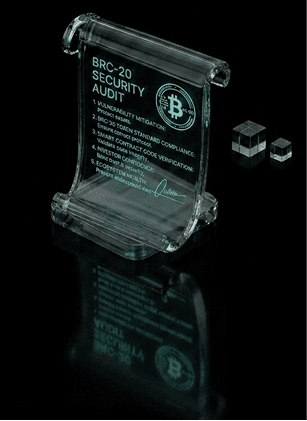
BRC-20 security audits help identify implementation errors, indexer inconsistencies, inscription risks, and security weaknesses that could affect token balances, transfers, or user trust. A professional audit provides independent validation, improves transparency, and helps projects reduce operational and reputational risks before launch or major updates.
Why Are Solana Smart
Contract Audits Important?
Solana smart contract audits are essential for identifying security vulnerabilities, validating business logic, and ensuring that decentralized applications behave as intended. Since Solana applications often handle valuable digital assets, conducting a professional security audit helps mitigate exploit risks, strengthen protocol security, and increase user trust.
Our Solana Smart Contract Audit
Methodology
Cyberscope follows a rigorous Solana audit methodology that includes project onboarding, manual line-by-line code review, automated vulnerability analysis, business logic verification, peer review, and comprehensive reporting. This process ensures maximum security and reliability before deployment.
Why Choose Cyberscope for Solana
Smart Contract Audit Services?
Cyberscope combines deep blockchain security expertise with advanced auditing methodologies to deliver high-quality Solana smart contract audits. Our experienced security researchers provide comprehensive vulnerability assessments, actionable remediation recommendations, and continuous support to help projects launch securely and build long-term trust.

Who Needs a Solana Smart
Contract Audit?
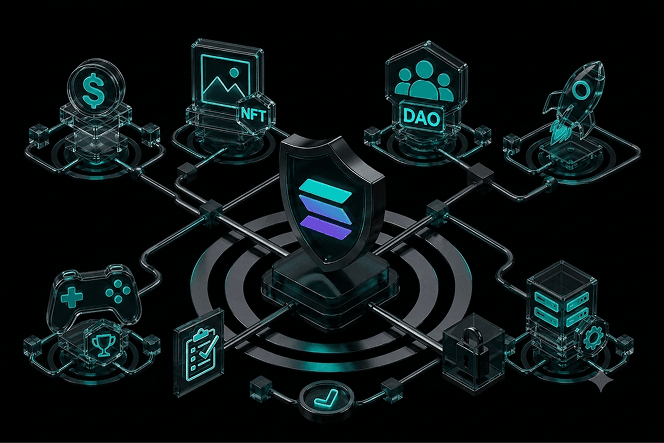
Every project building on Solana can benefit from a professional security audit. DeFi platforms, NFT collections, DAOs, launchpads, GameFi applications, infrastructure providers, and token issuers should conduct security audits before launch or major upgrades to safeguard user funds and protocol integrity.
Do SPL Tokens Still Require a Security Audit?
Yes. Even if your token uses Solana's native Token Program or Token-2022 extensions, a professional audit is strongly recommended. Custom tokenomics, staking mechanisms, governance logic, and integrations with external protocols may introduce vulnerabilities that require expert security review.
Critical Security Considerations for Solana Projects
Beyond code reviews, Solana projects should carefully evaluate authority management, token permissions, upgradeability mechanisms, extension configurations, and account access controls. Proper configuration significantly reduces security risks and strengthens overall protocol resilience.
Important Considerations for Token-2022 Extensions
Projects leveraging Token-2022 extensions such as TransferFeeConfig, ImmutableOwner, MetadataPointer, and DefaultAccountState should carefully validate all configurations. Improper implementation may introduce unexpected behavior or security risks that can be identified during a comprehensive smart contract audit.
What Happens After a Solana Smart Contract Audit?
After completing the audit, clients receive a detailed security report containing identified vulnerabilities, severity ratings, technical explanations, and remediation recommendations. Once issues are resolved, Cyberscope performs verification reviews and provides final audit documentation that can be shared publicly to increase transparency and investor confidence.
Solana Smart Contract Audit FAQs
A Solana Smart Contract Audit is a comprehensive security assessment of Solana programs designed to identify vulnerabilities, logic flaws, coding errors, and potential attack vectors before deployment. The audit combines automated analysis and manual code review to ensure the smart contract is secure and functions as intended.