

What is the BASE Network?

CyberScope
Sep 13, 2023
Introduction
The blockchain space is constantly evolving, with projects seeking to address the challenges of scalability, security, and accessibility. Ethereum, the leading smart contract network, has been at the forefront of this evolution. Among the innovative solutions that have emerged, the BASE network has garnered attention as a promising Ethereum Layer 2 (L2) scaling solution. In this article, we will delve into what BASE is, its key features, and how it aims to shape the future of decentralized applications (dApps).

Understanding the Need for Ethereum Layer 2
Ethereum, with its robust smart contract capabilities, has become the foundation for a wide range of decentralized applications, from decentralized finance (DeFi) platforms to non-fungible token (NFT) marketplaces and more. However, Ethereum has faced challenges, notably in terms of scalability and high transaction fees.
As the demand for Ethereum-based dApps has grown, so too has the congestion on the Ethereum network. This congestion has led to slower transaction times and increased gas fees, making it less practical for smaller transactions and limiting the network's scalability.
To address these issues, Layer 2 solutions have emerged as a way to scale the Ethereum network by moving some of the processing of the main Ethereum blockchain while maintaining its security. The BASE network is one such L2 solution that aims to provide scalability, security, and accessibility.
What is the BASE Network?
BASE is a Layer 2 scaling solution for Ethereum that has been incubated within Coinbase, one of the largest and most reputable cryptocurrency exchanges in the world. It is designed to bring the next billion users into the blockchain ecosystem by offering a secure, low-cost, and builder-friendly platform for dApps.
Key Features of BASE Network:
- Security: BASE prioritizes the security of assets and smart contracts, offering a reliable foundation for dApp development. Security is paramount in the blockchain space, and BASE is built with this principle in mind.
- Decentralization: BASE is committed to progressive decentralization. This means that, while it may start with certain centralized elements for efficiency and security, it aims to gradually become more decentralized over time. This approach aligns with the broader ethos of blockchain technology.
- EVM Compatibility: BASE facilitates interoperability by allowing projects to seamlessly integrate with Ethereum Layer 1 (L1), Coinbase, and other compatible chains. This enables developers to tap into the broader blockchain ecosystem.
- Open Source: BASE is built on the MIT-licensed OP Stack, developed in collaboration with Optimism. It is an open-source project, contributing to the growth of the open-source community and fostering innovation.
- Coinbase Integration: BASE provides an easy path for dApps to leverage Coinbase's products and distribution. This includes access to millions of verified users and fiat onramps, making it easier for users to onboard into the decentralized world.
How BASE Works
BASE is built on OP Stack, which is designed to closely resemble Ethereum. This design choice makes it familiar and accessible for developers who are already familiar with Ethereum. While BASE and Ethereum share many similarities, there are some minor differences to be aware of when building on BASE.
Developers working on BASE-based projects will find themselves in a familiar development environment, which can accelerate the development process and reduce the learning curve.

How Secure Are Projects on the BASE Network
One of the paramount concerns in the blockchain and decentralized application (dApp) development space is security. Ensuring the security of assets, user data, and the overall functionality of smart contracts is crucial to building trust among users and stakeholders. When it comes to projects on the BASE network, security is a top priority, and one essential step in ensuring this security is getting a BASE smart contract audit.
The Importance of Security in Blockchain Projects
Blockchain technology is built on principles of transparency, immutability, and decentralization. However, these principles can be compromised when vulnerabilities exist within smart contracts. These vulnerabilities can be exploited by malicious actors, resulting in financial losses, data breaches, and damage to a project's reputation.
For BASE-based projects, security is not just a feature; it's a fundamental requirement. Whether you're developing a decentralized finance (DeFi) platform, a non-fungible token (NFT) marketplace, or any other dApp, the security of your smart contracts is paramount.
Why You Need a BASE Smart Contract Audit
A BASE smart contract audit is a comprehensive security assessment of the smart contracts that power your project. Here's why it's essential:
- Vulnerability Identification: Auditors meticulously review your smart contracts, identifying vulnerabilities, potential risks, and areas that require improvement. This process helps you proactively address security issues before they can be exploited.
- Code Integrity: Auditors assess the integrity of your smart contract code, ensuring that it functions as intended. Code integrity is critical for preventing unintended behaviors or vulnerabilities that can compromise your project.
- Decentralization Validation: BASE is committed to progressive decentralization. An audit validates that your project aligns with these decentralization principles, instilling trust and transparency among users.
- Cost-Effective Security: Investing in a BASE smart contract audit is a cost-effective strategy. It helps prevent post-deployment debugging expenses, financial losses due to vulnerabilities, and potential damage to your project's reputation.

Securing Your BASE Project
In the fast-paced world of blockchain and dApp development, security is non-negotiable. The BASE network offers the promise of scalability, interoperability, and decentralization, but these advantages can only be fully realized when coupled with robust security measures.
A BASE smart contract audit is a proactive step to safeguard your project, protect user assets, and build trust in your decentralized application. By identifying and mitigating vulnerabilities, you can focus on what truly matters: innovating and delivering value to your users within a secure environment.
The security of projects on the BASE network is a shared responsibility between developers and auditors. A BASE smart contract audit is an investment in the integrity and longevity of your project, ensuring that it can thrive in the competitive and ever-evolving blockchain landscape.
Conclusion
The BASE network holds the promise of addressing some of the fundamental challenges facing Ethereum and the broader blockchain ecosystem. Its emphasis on security, decentralization, and interoperability positions it as a compelling choice for developers looking to build scalable and secure dApps.
As the crypto space continues to evolve, projects like BASE play a crucial role in expanding the capabilities and reach of blockchain technology. With its commitment to accessibility and its close alignment with Ethereum, BASE is poised to contribute significantly to the growth of the decentralized ecosystem.
Recent Posts
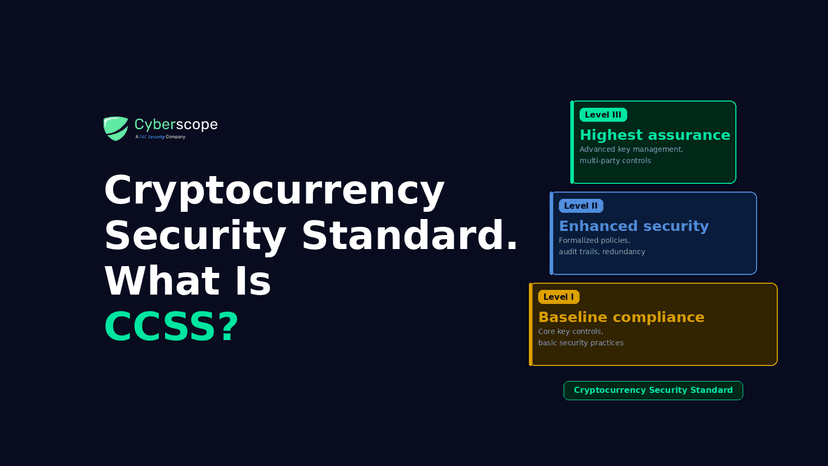
Cryptocurrency Security Standard: What Is CCSS?
2 months ago

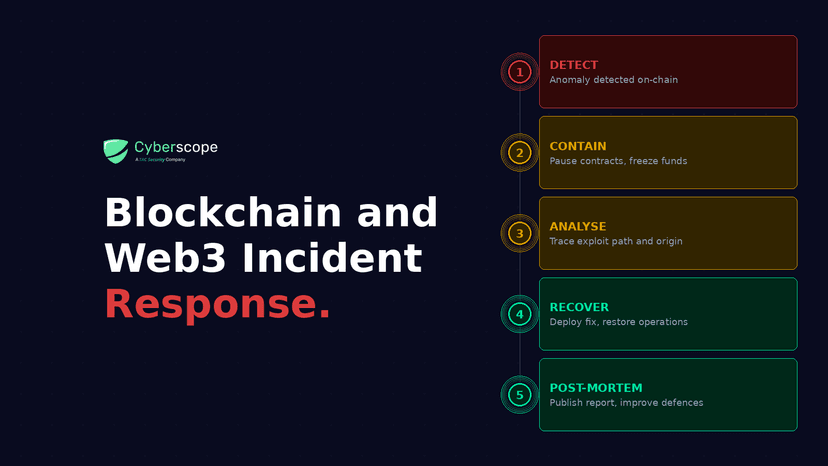
Blockchain and Web3 Incident Response
2 months ago