


Aug 07, 2026
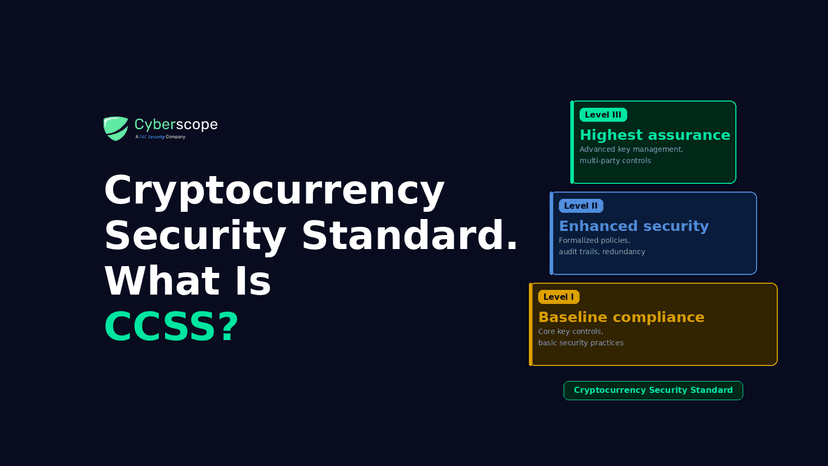
Cryptocurrency Security Standard: What Is CCSS?
CCSS explained: what the Cryptocurrency Security Standard covers, its three certification levels, and why key management security matters.
Aug 07, 2026
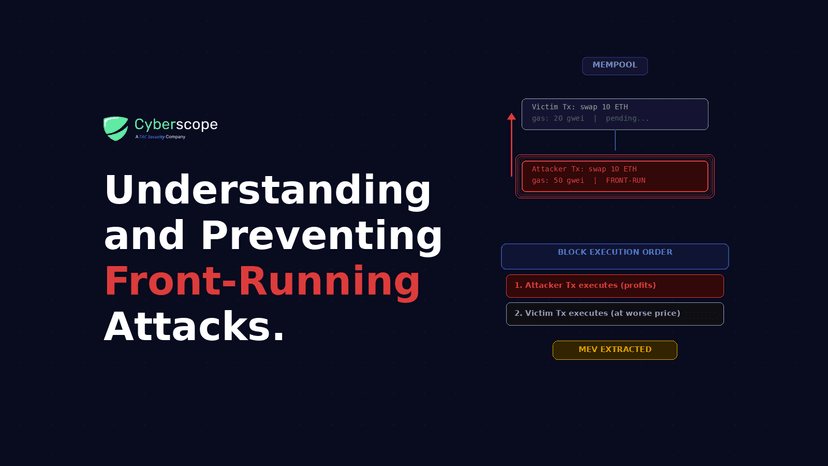
Understanding and Preventing Front-Running Attacks
Front-running attacks explained: how sandwich attacks and MEV work on public blockchains, and the practices that actually prevent them.
Aug 07, 2026
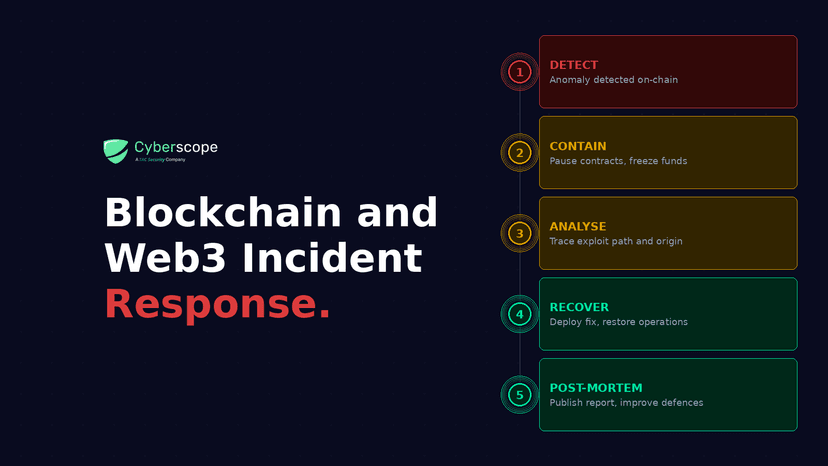
Blockchain and Web3 Incident Response
Blockchain and web3 incident response explained: common attack types, response phases, and how to prepare before a real exploit hits.
Aug 07, 2026
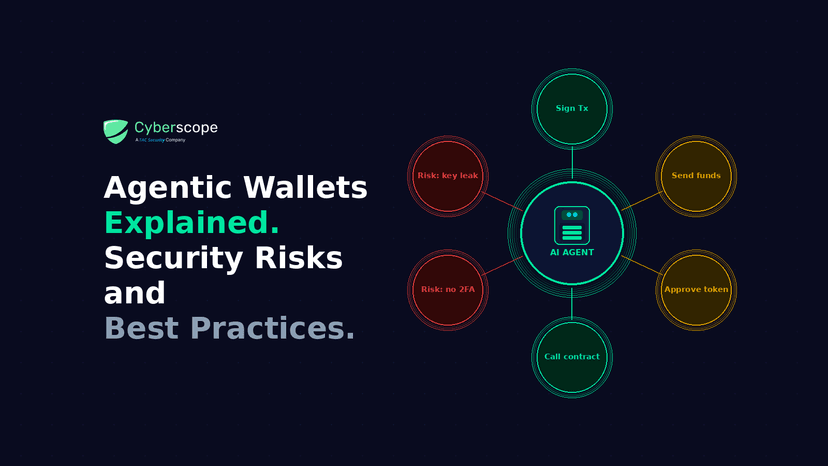
Agentic Wallets Explained: Security Risks and Best Practices
Agentic wallets explained: how AI-controlled crypto wallets work, the new security risks they introduce, and best practices to stay safe.
Aug 07, 2026
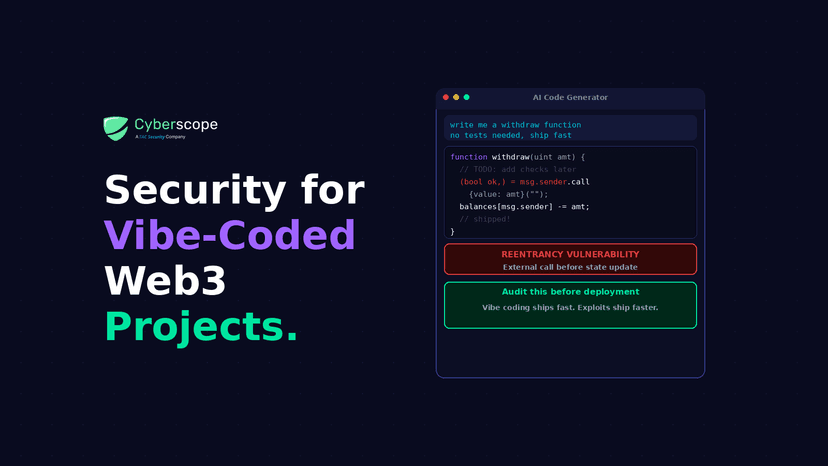
Security for Vibe-Coded Web3 Projects
Vibe-coded web3 projects carry real risks. Learn the common AI-generated smart contract flaws and why a security audit still matters.
Jul 30, 2026
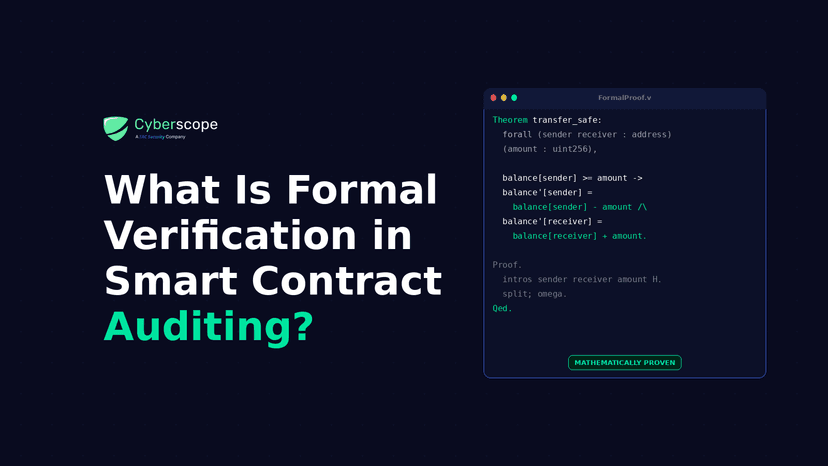
What Is Formal Verification in Smart Contract Auditing?
Formal verification is a mathematical method for proving that a piece of code behaves exactly as intended, under every possible input and every possible execution path, not just the ones a tester happened to think of.
Jul 30, 2026
How to Read a Smart Contract Audit Report
Learn how to read a smart contract audit report: severity ratings, red flags, and how to verify a report is legitimate before trusting it.
.png&w=828&q=75)
Jul 30, 2026
How to Prepare for a Smart Contract Audit
Good preparation shortens the audit, reduces back and forth, and genuinely improves the quality of the findings you get back. It is also, frankly, cheaper.
Jul 20, 2026
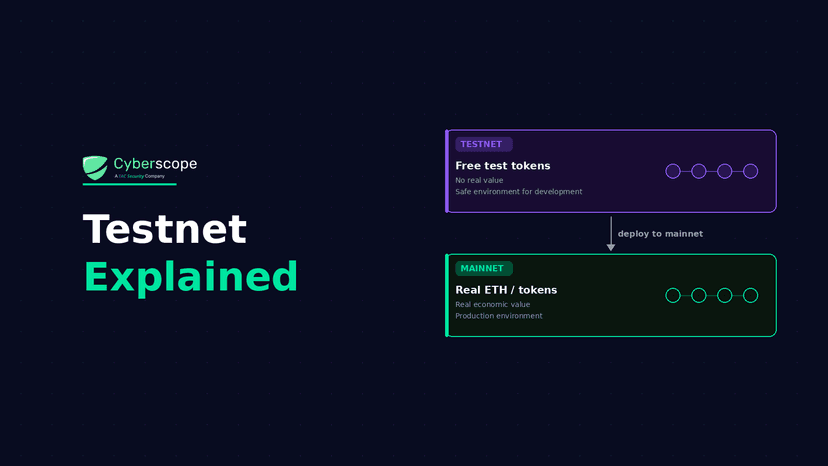
Testnet Explained
Testnet explained: what it is, how devnet, testnet and mainnet differ, and why testing matters before your smart contract audit.

Jul 17, 2026
Institutional Crypto Custody Providers Explained
Compare top institutional crypto custody providers in 2026, from Coinbase to Fireblocks, and what security really protects your assets.