

What is an Email Spoof and How to Spot One?

CyberScope
Jun 15, 2022
What is Email Spoofing?
Email spoofing is an art and craft practiced by hackers and spammers alike to fool people into thinking that their message came from a legitimate source when in reality it didn’t. When you receive an email like this, you are unable to identify who actually sent it or if the message is legitimate. The only thing that differentiates this from a genuine email is the fact that it’s likely to land in your spam folder instead of your inbox.
How to identify a spoofed email?
This makes spoofed emails hard to identify as they are usually treated just like any other normal email that you receive. But you guessed right — Cyberscope has you covered! Here are a few key indicators that will help you spot a spoofed email:
- Check the email address, not just the display name. For example, you might get an email that says it is from your bank urging you to change password as soon as possible. So the sender's name will be “US Bank of America.” If the email address is something like “[email protected]” chances are you’re being spoofed.
- Check the email Headers. The email addresses in the header should match the email address it’s supposed to be coming from. You can check the whole header information using some tools, this way you can see the path of the email before it got delivered to you.
- Check for syntax errors, urgent messages, or call to act on suspicious events. It's very likely that the context of the mail will be some urgent message asking you to log in with your credentials on a third party (and most likely untrusted source) because your subscription is ending or your account will be hypothetically removed.

What to do if you spot a Phishing email?
If you got a phishing email or text message, report it. The information you give can help fight the scammers.
Step 1. If you got a phishing email, forward it to the Anti-Phishing Working Group at your government.
If you got a phishing text message, forward it to SPAM.
Step 2. Report the phishing attack to your government's related department.
What To Do if You Responded to a Phishing Email
If you think a scammer has your information, like your Social Security, credit card, or bank account number, go to your government's related website. There you’ll see the specific steps to take based on the information that you lost. If the scammer tried to gain access to your bank account, call your bank and notify them, and change your passwords just in case.
Conclusion
Living in a modern world with information being accessible that easy provides great flexibility, but is also a reason to be extra careful as hackers and scammers have grasped this opportunity for their own profit. Cyberscope is a cyber security company that values user privacy and the protection of your own data.
Recent Posts
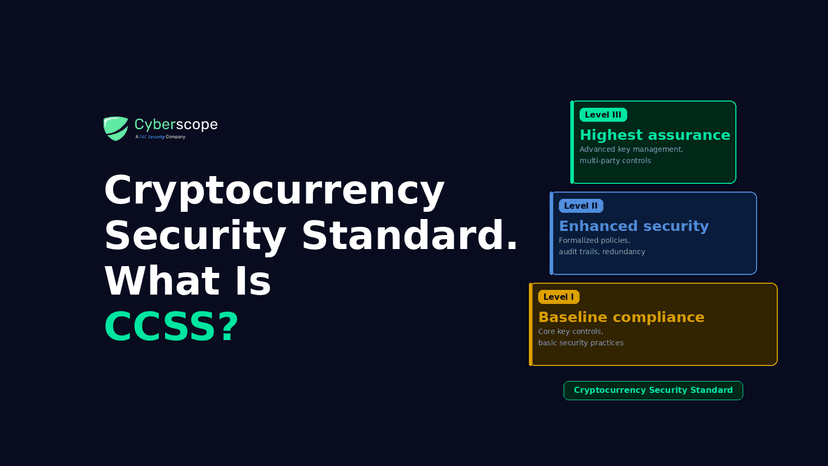
Cryptocurrency Security Standard: What Is CCSS?
2 months ago
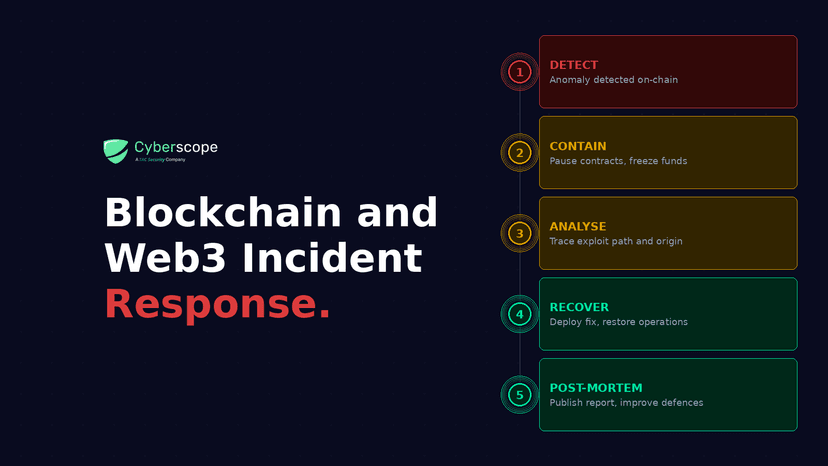
Blockchain and Web3 Incident Response
2 months ago